Subutex gives people in opioid recovery a way to reduce cravings, ease withdrawal, and focus on building a healthier future. Medication-assisted treatment (MAT) is an incredibly effective way to help clients stabilize, and Subutex is one of the tools we use at Jasper Grove Recovery. Subutex contains buprenorphine, a medication that reduces withdrawal symptoms and cravings, making it easier to focus on therapy and long-term recovery.
Subutex is a brand-name prescription medication that contains only buprenorphine. It was one of the first buprenorphine-based treatments approved for opioid use disorder. Unlike Suboxone, it does not contain naloxone.
Buprenorphine works as a partial opioid agonist. It attaches to the same receptors in the brain that opioids act on, but it produces less intense effects. This action eases withdrawal symptoms and cravings without causing the euphoric high linked to drugs like heroin or oxycodone. Subutex is often introduced during the early phase of detox or treatment when stability is the primary goal.

Subutex provides several clinical benefits during opioid recovery. These include:
By reducing the physical burden of withdrawal, Subutex allows clients to engage in therapy and counseling with more focus.

Subutex is usually introduced during the first days of detox when withdrawal symptoms are strongest. Medical staff monitor dosing carefully to minimize side effects and provide steady symptom relief.
Because it contains buprenorphine without naloxone, Subutex is sometimes recommended for specific groups. Pregnant clients, people who have had adverse reactions to naloxone, and those beginning treatment in an inpatient setting may all benefit from Subutex instead of Suboxone.
At Jasper Grove Recovery, Subutex is always combined with counseling, case management, and support services. Medication alone is not enough for sustainable recovery.
Subutex and Suboxone share similarities but also important differences.
The choice between the two depends on medical history, personal needs, and treatment setting. Our clinicians help clients weigh the options to find the best fit.
Opioid withdrawal can be physically and emotionally exhausting. Symptoms often include muscle pain, insomnia, nausea, anxiety, and cravings that feel impossible to resist. Subutex helps ease these symptoms so clients can begin detox safely.
In most cases, Subutex is started after initial evaluation and induction in a supervised environment. Doses are adjusted based on symptoms and medical history. Relief is often felt within the first day, giving clients the strength to continue with the detox process.
For some clients, Subutex is used beyond detox as part of maintenance therapy. Continuing buprenorphine treatment helps lower relapse risk while the person builds coping skills through counseling and lifestyle changes.
Maintenance therapy with Subutex can include:
Maintenance is not a one-size-fits-all plan. Some clients stay on Subutex for a few weeks, while others use it longer as they stabilize their recovery.
Subutex treatment usually starts with a comprehensive evaluation. The first step is a medically supervised induction to ensure the client begins safely and with the right dose. Once stabilized, ongoing treatment may include daily or weekly medication under supervision.
At Jasper Grove Recovery, Subutex treatment is supported by a full range of services:
This integrated structure helps clients move forward with both medical and emotional stability.

Medication reduces the physical symptoms of opioid dependence, but counseling addresses the mental and behavioral challenges. Subutex treatment at Jasper Grove is paired with evidence-based therapies such as:
Therapy ensures that clients learn how to handle triggers and build coping skills for long-term sobriety.
Subutex treatment is part of a harm reduction framework. The medication lowers overdose risk, helps stabilize health, and creates a safer starting point for recovery. Our program provides more than just prescriptions. Clients also receive access to naloxone training, medical monitoring, and referrals to sober housing or outpatient programs when needed.
These services give clients the tools to continue recovery even after leaving inpatient care.
Some clients use Subutex during tapering programs to gradually reduce their reliance on opioids. A slow taper managed by medical staff can ease the discomfort of withdrawal while lowering relapse risk.
Tapering plans at Jasper Grove Recovery include:
This approach allows tapering to be safer and more manageable than attempting to stop opioids suddenly.
Families are often central to recovery. At Jasper Grove Recovery, we involve family members when appropriate to strengthen support systems. Loved ones can learn how Subutex works, what to expect during treatment, and how to provide encouragement without enabling harmful behaviors.
Family therapy and educational sessions help improve communication and create stability at home. With consent, families may receive updates from the care team to stay engaged in the recovery process.
Recovery from opioid addiction does not end after detox or maintenance therapy. Aftercare is a critical part of sustaining progress.
Our aftercare services include:
These resources extend support beyond inpatient treatment, helping clients maintain sobriety as they transition back to daily life.
Starting addiction treatment comes with a lot of questions—and that’s completely normal. Whether you’re considering care for yourself or someone you love, we’ve answered some of the most common questions we hear to help you feel more informed, prepared, and empowered.
Both medications contain buprenorphine. Suboxone also contains naloxone to reduce misuse potential, while Subutex does not.
Subutex is often used for pregnant clients, those who react poorly to naloxone, or people beginning treatment in an inpatient setting.
As a partial opioid agonist, Subutex can create physical dependence if misused, but under medical supervision it is considered safe and effective.
Treatment duration varies. Some clients use Subutex briefly during detox, while others continue it longer for maintenance.
Most insurance plans, including Medicaid, cover Subutex treatment. Our admissions team helps clients understand their benefits.
In many cases, yes. Subutex may be recommended over other medications during pregnancy. Decisions are made based on medical evaluation.
If you’re ready to start Subutex treatment, Jasper Grove Recovery can guide you through every stage. Our licensed providers, counselors, and medical staff create individualized plans that combine medication, therapy, and aftercare. Call today at 317.527.4529 or reach out online to begin your assessment and take the next step toward recovery.

This site is protected by reCAPTCHA and the Google Privacy Policy and Terms of Service apply.

Alvin Luster is a registered nurse and healthcare leader with extensive experience overseeing nursing operations and facility-wide clinical services in behavioral health and addiction treatment settings. Known for his calm, solutions-oriented approach, Alvin brings a strong blend of clinical expertise, operational leadership, and team development to his work.
He has served in senior nursing and executive leadership roles, managing staffing, policy development, onboarding, and performance improvement while ensuring compliance with state, federal, and accreditation requirements. Alvin is highly skilled in interdisciplinary collaboration and is deeply committed to patient safety, staff support, and efficient clinical operations.
With a background that spans nursing leadership, facility operations, and new program implementation, Alvin is passionate about building strong teams and systems that allow quality care to thrive, especially during periods of growth and change.
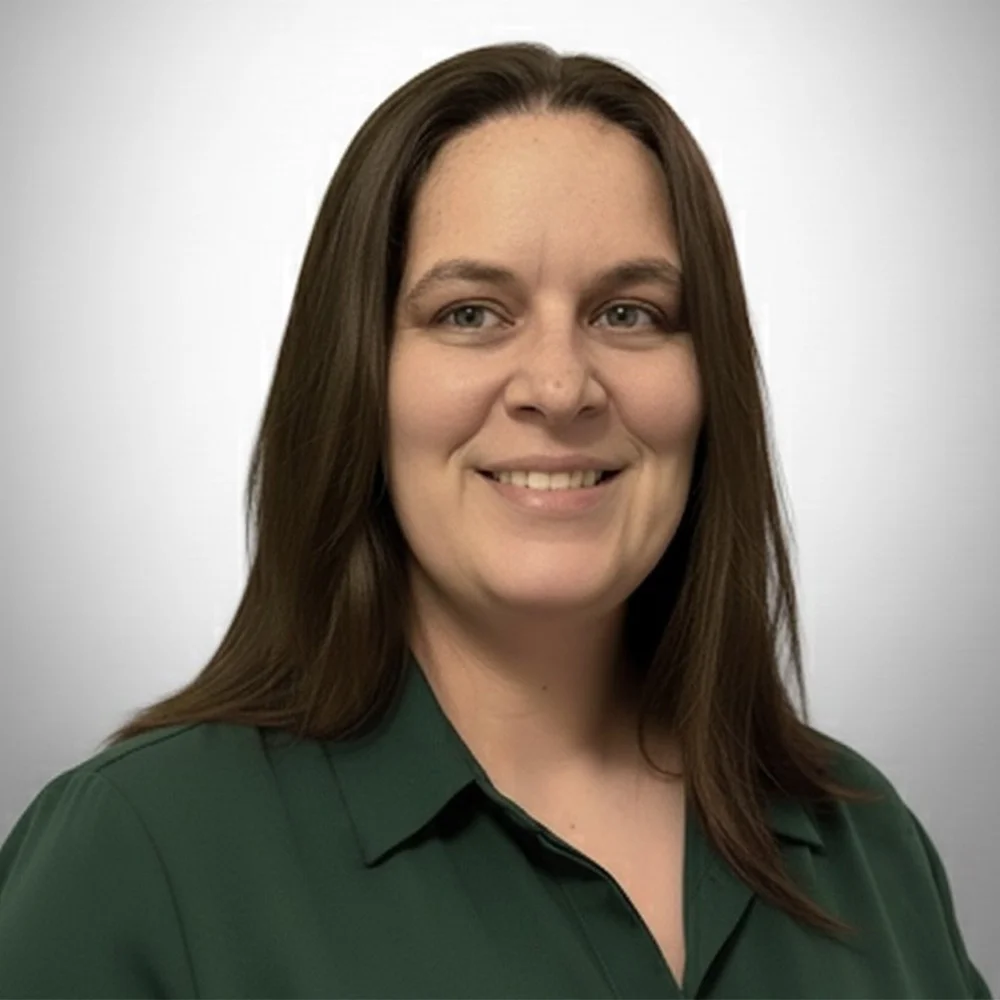
Dana Staker is a licensed mental health counselor with more than a decade of experience in behavioral healthcare, specializing in clinical leadership, program development, and comprehensive oversight across residential and outpatient settings. She has led multidisciplinary teams supporting adolescents, adults, and families, with a strong focus on trauma-informed, evidence-based care.
Throughout her career, Dana has held progressive leadership roles in behavioral health, overseeing clinical operations, staff supervision, budgeting, and quality improvement initiatives. She is well-versed in regulatory compliance and accreditation standards and brings a steady, organized approach to maintaining clinical excellence while supporting team growth.
Dana is particularly skilled in milieu management, family-centered treatment, and building programs that balance structure with compassion. Her leadership style emphasizes collaboration, accountability, and creating environments where both clients and clinicians can do their best work.

Nicole Carter brings 20 years of experience in high-level management and human resources. Over the past seven years, she has focused on serving the addiction population through executive and regional leadership roles. Well-versed in federal and state regulations, quality control, and compliance, Nicole is driven by a passion for creating positive workplaces where both staff and patients can thrive.