Fentanyl addiction has become one of the most urgent public health crises in the United States. Because this synthetic opioid is up to 50 times stronger than heroin, withdrawal can feel intense, unpredictable, and dangerous without professional help. At Jasper Grove Recovery, our fentanyl detox program provides 24/7 medical supervision, comfort care, and evidence-based treatments to help you take the first step toward lasting recovery.
Fentanyl detox is the medically monitored process of safely clearing fentanyl from your body while managing the physical and psychological symptoms of withdrawal. The goal is to stabilize your health, relieve discomfort, and prepare you for long-term recovery.
During detox, your care team:
Because fentanyl is extremely potent and long-lasting, its withdrawal symptoms can begin within hours and last up to two weeks. Medical oversight is the safest and most effective way to detox.

Withdrawal from fentanyl affects both body and mind. Most people move through several phases of detox, each with unique symptoms.
Anxiety, restlessness, flu-like onset
Early symptoms usually begin within half a day of the last dose. Many experience muscle aches, chills, runny nose, yawning, and restlessness. Anxiety and insomnia are also common as the body reacts to the loss of opioid stimulation.
Cravings, body aches, sleep disturbance
Symptoms typically reach their peak between the second and third day. You may experience severe body aches, stomach cramps, nausea, vomiting, diarrhea, and strong drug cravings. Blood pressure, heart rate, and body temperature can fluctuate, requiring medical monitoring.
Mood, sleep, energy, PAWS.
After acute withdrawal subsides, many continue to feel fatigued, depressed, or irritable. This period, known as post-acute withdrawal syndrome (PAWS), can last weeks or months. Supportive therapy and medication management help ease this transition.
At Jasper Grove Recovery, our medical detox process follows national clinical guidelines to ensure safety and comfort.
Your care begins with a full medical evaluation, including the Clinical Opioid Withdrawal Scale (COWS), which helps assess the severity of withdrawal. We’ll review your history, substance use, co-occurring mental health conditions, and medications to build a personalized detox plan.
During detox, medical staff provide hydration support, nutritional meals, and rest routines to help your body heal. Comfort medications may include:
Many clients struggle with depression, anxiety, or PTSD alongside opioid addiction. Our dual diagnosis approach integrates mental health support throughout detox, ensuring safe medication management and therapy referrals.
MAT helps reduce withdrawal discomfort, cravings, and relapse risk during and after detox. The most common options include buprenorphine, methadone, and naltrexone.
Buprenorphine induction for fentanyl: Standard vs. low-dose strategies
Buprenorphine (Subutex, Suboxone) is a partial opioid agonist that reduces withdrawal symptoms and cravings. Because fentanyl binds tightly to opioid receptors, starting buprenorphine too early can cause precipitated withdrawal. To prevent this, clinicians may use low-dose (microdosing) induction, gradually increasing doses while fentanyl clears from your system.
Dosing, access, and benefits
Methadone fully activates opioid receptors at a controlled, therapeutic dose. It’s highly effective for stabilizing people with severe dependence, chronic pain, or prior relapses. Methadone is administered daily under medical supervision and can continue as part of ongoing opioid addiction treatment options.
Timing and candidacy
Naltrexone (Vivitrol) blocks opioid receptors to prevent the effects of fentanyl or other opioids. It should only be started once detox is complete and opioids are fully cleared from the body, typically after 7–10 days. It’s ideal for people who want a non-opioid maintenance option.
These medications help manage physical symptoms like rapid heartbeat, sweating, and agitation. They’re often used as adjuncts for clients who cannot take buprenorphine or methadone.
Inpatient detox is recommended for those with severe dependence, history of relapse, unstable housing, or co-occurring mental health issues. It provides 24-hour supervision, safety, and immediate access to MAT and counseling. Pregnant individuals and those using multiple substances also benefit from inpatient monitoring.
Outpatient programs offer daily check-ins, medication management, and counseling for people with stable homes and mild withdrawal symptoms. Bridge clinics can start MAT immediately while coordinating transition into longer-term treatment.
Jasper Grove Recovery accepts Medicaid and most major insurance plans. Our admissions team can verify benefits and help you understand coverage for detox, medications, and continuing care. Financial assistance and flexible payment options are also available to make treatment accessible.
Detoxing from fentanyl without medical help can be dangerous and is rarely successful long term.
Quitting abruptly can cause severe dehydration, electrolyte imbalances, and life-threatening relapse. Because fentanyl lowers tolerance quickly, using again after detox increases overdose risk.
Medical detox provides clinical oversight, hydration therapy, and medication-assisted care that significantly reduce complications.
Rapid or anesthesia-assisted detox claims to “flush out” opioids quickly but carries serious medical risks, including heart problems and respiratory distress. Evidence-based medical detox is safer and more sustainable for recovery.

Harm reduction keeps people alive and connected to care. If you’re not yet ready for detox, consider the following:
These strategies save lives until someone is ready to enter treatment.

Our detox follows evidence-based protocols emphasizing safety and dignity.
Every person deserves care that respects their experience and supports lifelong recovery.
Recovery doesn’t end when detox does. We help you build a plan that supports long-term success:
Ongoing support strengthens your recovery foundation and reduces relapse risk.
When researching detox centers, consider:
Jasper Grove Recovery combines these standards with compassion, privacy, and expertise to guide your recovery.
Acute withdrawal typically lasts 7–10 days, with lingering symptoms like fatigue and mood swings for several weeks.
Home detox is unsafe due to relapse and overdose risks. Medical detox provides supervision, medication support, and emergency readiness.
Buprenorphine, methadone, clonidine, and lofexidine are commonly used to manage symptoms and cravings.
Usually after 7–10 days opioid-free, once fentanyl has fully cleared from the body.
Most major insurers, including Medicaid, cover medically supervised detox.

You don’t have to face withdrawal alone. If you or someone you love is struggling with fentanyl dependence, professional care can make all the difference.
Jasper Grove Recovery offers 24-hour medical detox in a calm, supportive environment where healing begins with safety, compassion, and respect. Our team provides personalized care plans, medication-assisted treatment, and a seamless transition to ongoing recovery programs.
Call our admissions team at 317.527.4529 or contact us online to learn more about fentanyl detox and how we can help you start your recovery journey today.

This site is protected by reCAPTCHA and the Google Privacy Policy and Terms of Service apply.

Alvin Luster is a registered nurse and healthcare leader with extensive experience overseeing nursing operations and facility-wide clinical services in behavioral health and addiction treatment settings. Known for his calm, solutions-oriented approach, Alvin brings a strong blend of clinical expertise, operational leadership, and team development to his work.
He has served in senior nursing and executive leadership roles, managing staffing, policy development, onboarding, and performance improvement while ensuring compliance with state, federal, and accreditation requirements. Alvin is highly skilled in interdisciplinary collaboration and is deeply committed to patient safety, staff support, and efficient clinical operations.
With a background that spans nursing leadership, facility operations, and new program implementation, Alvin is passionate about building strong teams and systems that allow quality care to thrive, especially during periods of growth and change.
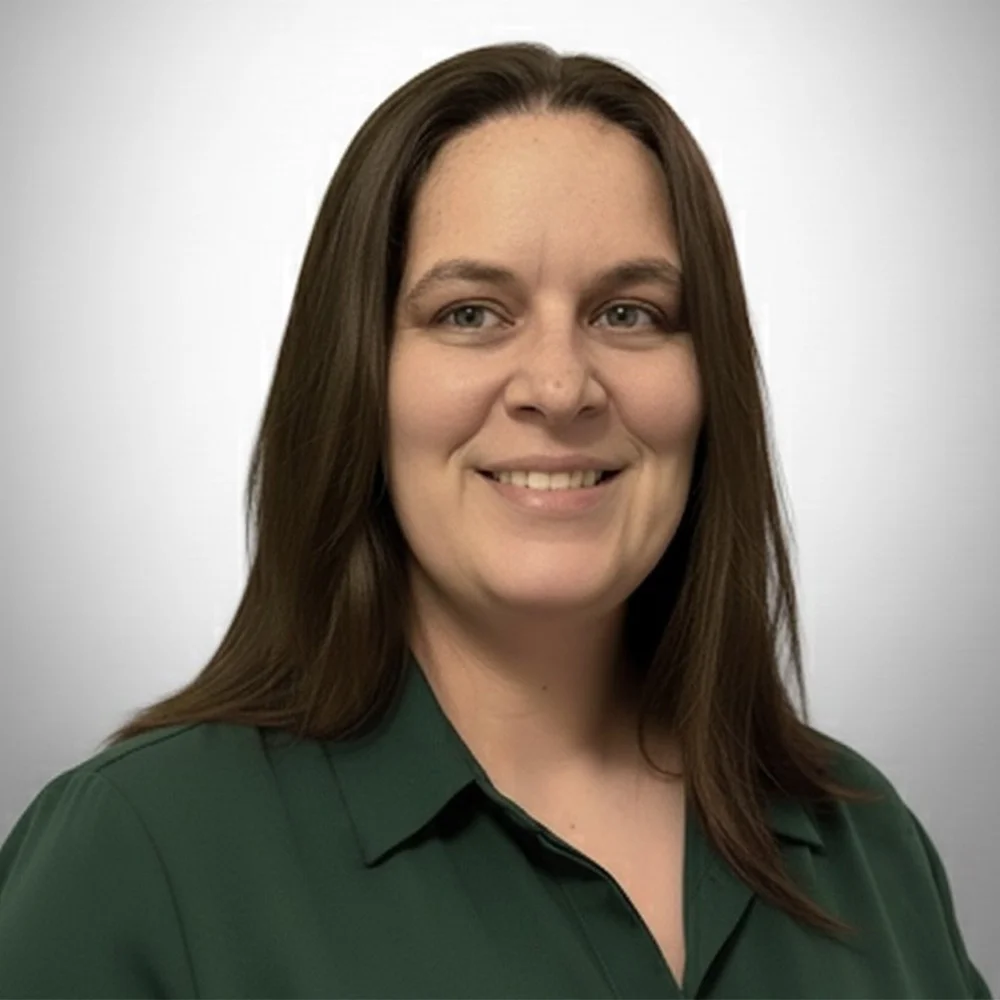
Dana Staker is a licensed mental health counselor with more than a decade of experience in behavioral healthcare, specializing in clinical leadership, program development, and comprehensive oversight across residential and outpatient settings. She has led multidisciplinary teams supporting adolescents, adults, and families, with a strong focus on trauma-informed, evidence-based care.
Throughout her career, Dana has held progressive leadership roles in behavioral health, overseeing clinical operations, staff supervision, budgeting, and quality improvement initiatives. She is well-versed in regulatory compliance and accreditation standards and brings a steady, organized approach to maintaining clinical excellence while supporting team growth.
Dana is particularly skilled in milieu management, family-centered treatment, and building programs that balance structure with compassion. Her leadership style emphasizes collaboration, accountability, and creating environments where both clients and clinicians can do their best work.

Nicole Carter brings 20 years of experience in high-level management and human resources. Over the past seven years, she has focused on serving the addiction population through executive and regional leadership roles. Well-versed in federal and state regulations, quality control, and compliance, Nicole is driven by a passion for creating positive workplaces where both staff and patients can thrive.