Refuge Recovery is a mindfulness-based approach to addiction recovery grounded in Buddhist principles and meditation practice. It offers a non-theistic path for people who want to address substance use through awareness, ethical living, and compassion rather than belief or surrender to a higher power.
At Jasper Grove Recovery, Refuge Recovery is offered as a supportive recovery framework for individuals who benefit from contemplative practices, structure, and community while working toward sustained addiction recovery.
Refuge Recovery is a community-based addiction recovery program rooted in Buddhist psychology rather than religious doctrine. It draws on meditation, ethical reflection, and shared experience to help people understand craving, suffering, and habitual patterns connected to substance use.
The program is secular and does not require belief in Buddhism, God, or any spiritual authority. Participants are encouraged to explore practices that help them relate differently to cravings, stress, and difficult emotions.
Refuge Recovery can be used on its own or alongside clinical treatment, therapy, or medication-assisted care.


Refuge Recovery is based on two foundational Buddhist teachings adapted for addiction recovery: the Four Noble Truths and the Eightfold Path. These teachings are presented as practical frameworks rather than spiritual doctrine.
In Refuge Recovery, the Four Noble Truths are used to examine addiction in a clear, non-judgmental way.
They focus on:
Rather than framing addiction as a moral failure, this approach treats it as a condition shaped by habit, stress, and unmet needs.

The Eightfold Path provides guidance for day-to-day recovery practices. In Refuge Recovery, these principles are translated into accessible behaviors and skills.
These practices focus on learning how addiction operates in the mind and body and setting clear intentions to reduce harm and increase stability.
This part of the path emphasizes honesty, boundaries, ethical behavior, and making choices that support recovery rather than undermine it.
These practices support consistent effort, awareness of cravings and emotions, and the ability to stay present without reacting automatically.
The Eightfold Path is not followed perfectly or rigidly. It is used as a flexible guide that people return to over time.

Meditation is a central practice in Refuge Recovery. It is used to build awareness of physical sensations, emotions, and thought patterns that often drive substance use.
Common practices include:
Meditation is approached gradually, with an emphasis on safety, consistency, and practicality rather than intensity.
Refuge Recovery incorporates principles from mindfulness-based relapse prevention. These skills help people notice early signs of relapse risk and respond with intention rather than habit.
Key areas of focus include:
These skills support long-term addiction recovery by strengthening awareness rather than relying on willpower alone.
Refuge Recovery meetings provide structured group support rooted in shared practice. Meetings typically include meditation, reading or reflection, and group discussion.
Participants are encouraged to:
Meetings are available both in person and online, making the program accessible to people in different locations and stages of recovery.
Refuge Recovery is one of several secular, mindfulness-based recovery options. It differs from 12-step programs by avoiding spiritual language, sponsors, and concepts of powerlessness.
Compared to Recovery Dharma, Refuge Recovery shares similar roots but differs in structure, leadership model, and meeting format. Some people explore both before deciding which approach fits best.
There is no requirement to choose only one recovery path. Many people combine Refuge Recovery with therapy, medical treatment, or other peer support groups.

Refuge Recovery emphasizes safety and choice, which is especially important for individuals with trauma histories.
Practices are adapted to:
Harm-reduction principles may also be incorporated, particularly for individuals early in recovery or exploring change gradually.
Refuge Recovery can complement evidence-based addiction treatment rather than replace it. Many individuals use mindfulness practices alongside:
At Jasper Grove Recovery, Refuge Recovery is integrated thoughtfully with clinical care to support both emotional regulation and long-term addiction recovery.
Many people begin with the book Refuge Recovery: A Buddhist Path to Recovering from Addiction, which outlines the program’s principles and practices.
Additional resources include:
These tools allow people to engage with the program at their own pace.
Refuge Recovery offers a structured, mindfulness-based path for people who want a contemplative approach to addiction recovery. At Jasper Grove Recovery, this approach is available as part of a broader treatment framework that includes medical, therapeutic, and peer support.
If you are interested in Refuge Recovery or want to understand how mindfulness-based practices might fit into your recovery plan, a conversation with our team can help clarify your options and next steps. Call 317.527.4529 or reach out online to get started.
No. It is based on Buddhist psychology but does not involve worship, belief, or religious conversion.
Yes. Many people use Refuge Recovery as part of their addiction recovery from alcohol and other substances.
No. Practices are introduced gradually and adapted for beginners.
Yes. It is often used alongside therapy, medical care, and other recovery supports.
This site is protected by reCAPTCHA and the Google Privacy Policy and Terms of Service apply.
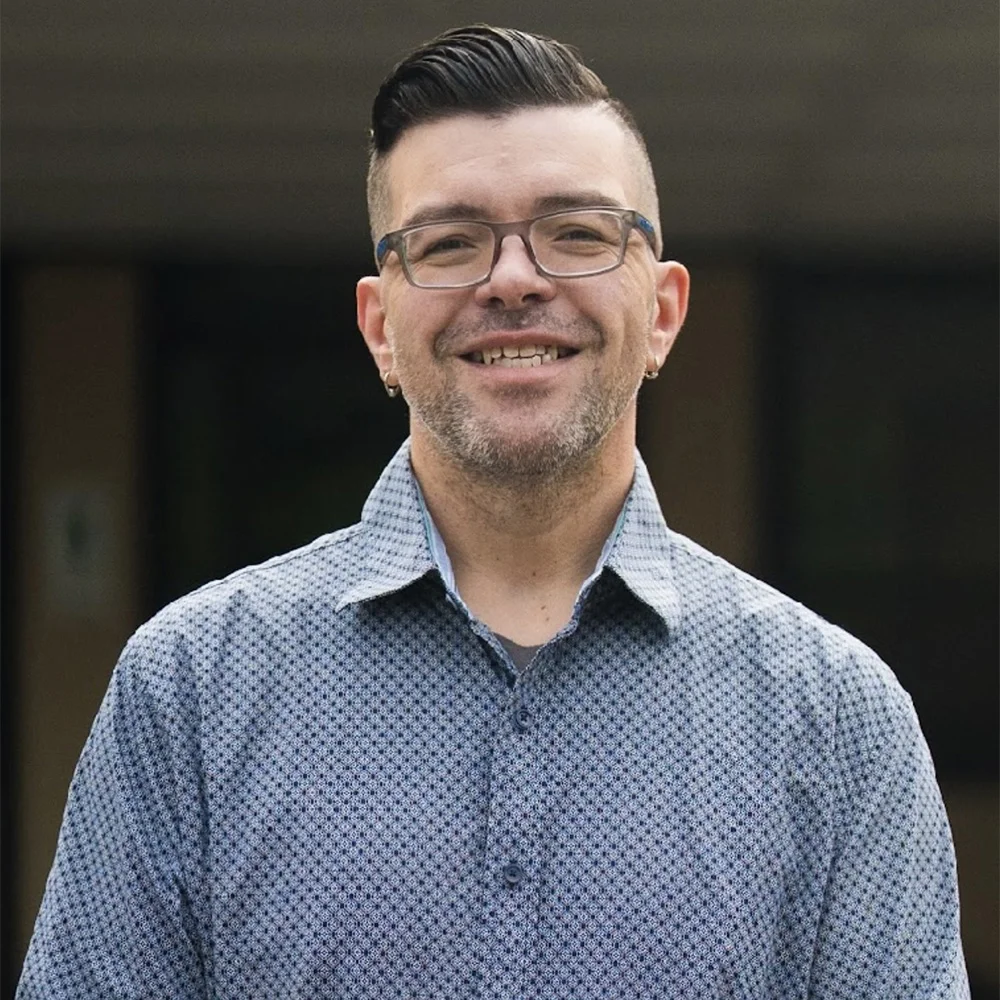
Alvin Luster is a registered nurse and healthcare leader with extensive experience overseeing nursing operations and facility-wide clinical services in behavioral health and addiction treatment settings. Known for his calm, solutions-oriented approach, Alvin brings a strong blend of clinical expertise, operational leadership, and team development to his work.
He has served in senior nursing and executive leadership roles, managing staffing, policy development, onboarding, and performance improvement while ensuring compliance with state, federal, and accreditation requirements. Alvin is highly skilled in interdisciplinary collaboration and is deeply committed to patient safety, staff support, and efficient clinical operations.
With a background that spans nursing leadership, facility operations, and new program implementation, Alvin is passionate about building strong teams and systems that allow quality care to thrive, especially during periods of growth and change.

Dana Staker is a licensed mental health counselor with more than a decade of experience in behavioral healthcare, specializing in clinical leadership, program development, and comprehensive oversight across residential and outpatient settings. She has led multidisciplinary teams supporting adolescents, adults, and families, with a strong focus on trauma-informed, evidence-based care.
Throughout her career, Dana has held progressive leadership roles in behavioral health, overseeing clinical operations, staff supervision, budgeting, and quality improvement initiatives. She is well-versed in regulatory compliance and accreditation standards and brings a steady, organized approach to maintaining clinical excellence while supporting team growth.
Dana is particularly skilled in milieu management, family-centered treatment, and building programs that balance structure with compassion. Her leadership style emphasizes collaboration, accountability, and creating environments where both clients and clinicians can do their best work.
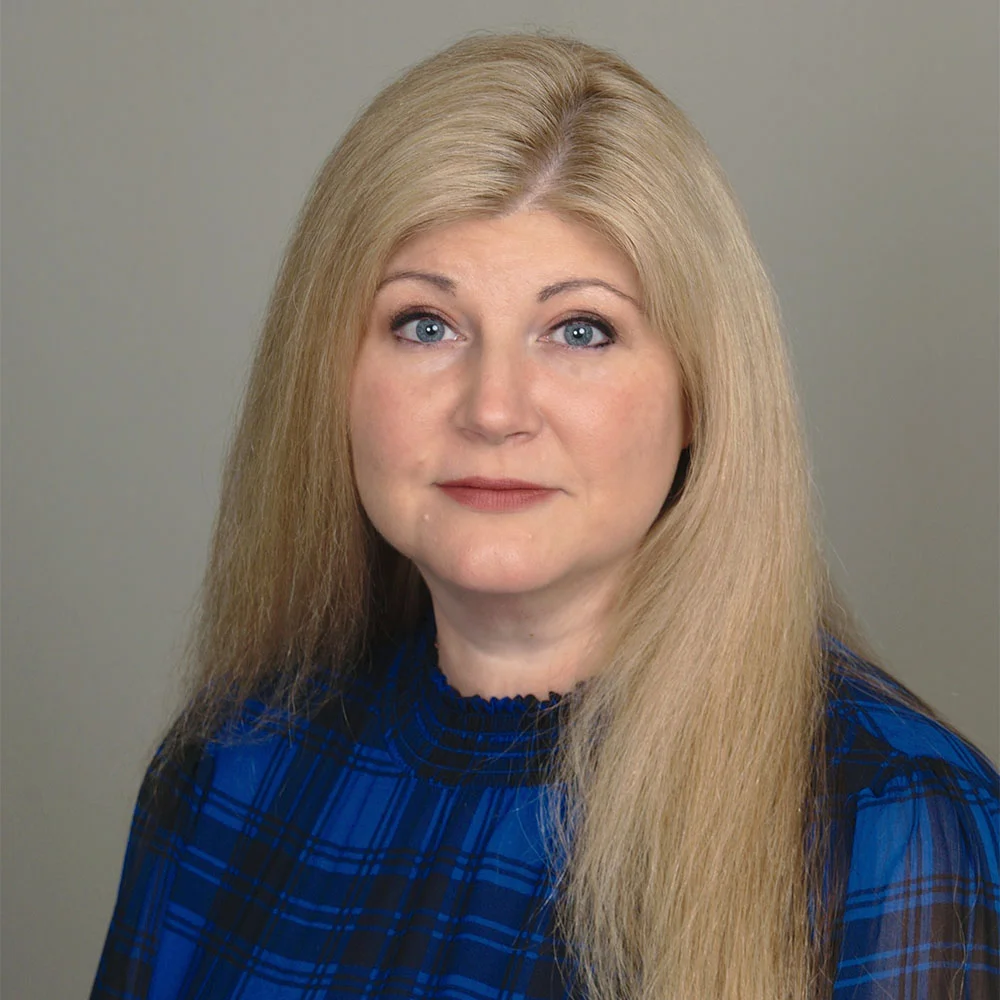
Nicole Carter brings 20 years of experience in high-level management and human resources. Over the past seven years, she has focused on serving the addiction population through executive and regional leadership roles. Well-versed in federal and state regulations, quality control, and compliance, Nicole is driven by a passion for creating positive workplaces where both staff and patients can thrive.