We believe healing happens not just in solitude, but in community. Group therapy is one of the core offerings within our therapy programs in Indianapolis. Whether you're just beginning your recovery journey or looking for additional support after inpatient care, group therapy offers a space to connect, reflect, and grow alongside others who understand what you’re going through.
Read on to learn more about what group therapy is, the types of sessions we offer, how the process works, and why so many people in recovery find it to be a powerful part of their treatment.

Group therapy is a form of counseling where multiple participants meet together with one or more trained facilitators to explore challenges, develop coping skills, and support each other through shared experiences. It is widely used in substance use treatment because it fosters connection, accountability, and trust.
Unlike individual therapy, group therapy creates a dynamic space for interaction. It’s not just about talking to a counselor. It’s about listening to others, being heard, and building strength together.
For people navigating addiction recovery, especially those who feel isolated or overwhelmed, group therapy offers a reminder: you are not alone. At Jasper Grove Recovery, our groups are designed to be safe, confidential, and judgment-free—open to anyone receiving treatment through Medicaid or other supported options.
There is no one-size-fits-all approach to recovery. That’s why we offer a variety of group therapy models, each tailored to meet specific needs in the addiction treatment process.
Below are some of the common group formats you may encounter:
These sessions focus on teaching participants about addiction, recovery strategies, emotional regulation, and relapse prevention. They combine therapist-led instruction with open discussion and Q&A.
These groups help clients practice real-life strategies for coping with cravings, managing stress, improving communication, and setting healthy boundaries. They're especially useful in early recovery and for building long-term stability.
Support groups allow clients to share their stories, offer encouragement, and receive validation. Sessions often follow a loosely structured format and may reflect common support group tactics for addiction, such as open sharing, check-ins, or peer-led reflection.
These groups follow evidence-based CBT frameworks to challenge distorted thinking patterns and replace them with healthier beliefs and behaviors.
Many individuals in recovery have experienced trauma. These groups provide a safe environment to explore those experiences at your own pace, led by clinicians who understand the connection between trauma and addiction.
While not always part of traditional group therapy, family therapy may be integrated when loved ones are ready to participate in the healing process. This complements both group and individual therapy for more comprehensive care.
Joining a group therapy session for the first time can feel intimidating. We make sure every participant knows what to expect and feels welcomed from the moment they arrive.
Here’s how it typically works:
Group sessions may be themed on topics such as relapse prevention, emotional triggers, identity work, or they may be more open-ended, depending on the needs of the participants. Activities can include journaling, role play, mindfulness, or group therapy activities for addiction such as trust-building games or scenario planning.


Research has consistently shown the effectiveness of group therapy for substance use recovery. In fact, many people say that group therapy is one of the most impactful components of their treatment experience.
Here’s why:
At Jasper Grove, group therapy is integrated into a broader continuum of care that supports emotional, physical, and social recovery. It complements one-on-one therapy, medication support, and life-skills coaching to create a strong foundation for long-term healing.
Group therapy evolves over time as trust builds and participants grow. Understanding the stages of group therapy can help you feel more prepared for the journey.
Participants get to know each other, establish safety, and begin to share. This stage is often marked by hesitancy or anxiety, but facilitators help ease everyone in.
As comfort grows, differences may surface. Group members test boundaries and explore deeper issues. Conflict can arise, but it is handled constructively to build stronger connections.
The group starts to feel more cohesive. Participants follow group therapy rules, support each other, and open up more freely.
Support groups allow clients to share their stories, offer encouragement, and receive validation. Sessions often follow a loosely structured format and may reflect common support group tactics for addiction, such as open sharing, check-ins, or peer-led reflection.
Eventually, group members may graduate or transition to other levels of care. This phase includes reflection, gratitude, and goodbyes, with encouragement to carry the work forward.
Support groups, whether formal therapy groups or peer-led community meetings, play a vital role in sustained recovery. They provide more than just a place to talk; they offer a sense of belonging, accountability, and ongoing encouragement that can make all the difference in moments of doubt or transition. For many, support groups serve as the bridge between treatment and real-world resilience.
Here are just a few of the most meaningful benefits of support groups for addiction recovery:
Jasper Grove Recovery offers both structured clinical groups and referrals to community-based support programs that continue after treatment ends. Whether you’re just beginning your recovery or looking to maintain it long term, we’ll help you find a support system that fits your needs, your pace, and your goals.


Starting group therapy can be one of the most empowering choices you make in your recovery. At Jasper Grove Recovery, we make it easy to take that first step.
Here’s how:
You don’t have to navigate recovery alone. If you’re looking for group therapy in Indianapolis, Jasper Grove Recovery is here for you with compassion, structure, and community-driven care.
If you or someone you love is seeking support for addiction recovery, group therapy may be the safe, empowering space you’ve been looking for. We’re committed to helping you grow, not just as an individual, but as part of a supportive, respectful community.
Explore our therapy programs in Indianapolis. Call 317.527.4529 or reach out online to learn how to get started.

This site is protected by reCAPTCHA and the Google Privacy Policy and Terms of Service apply.
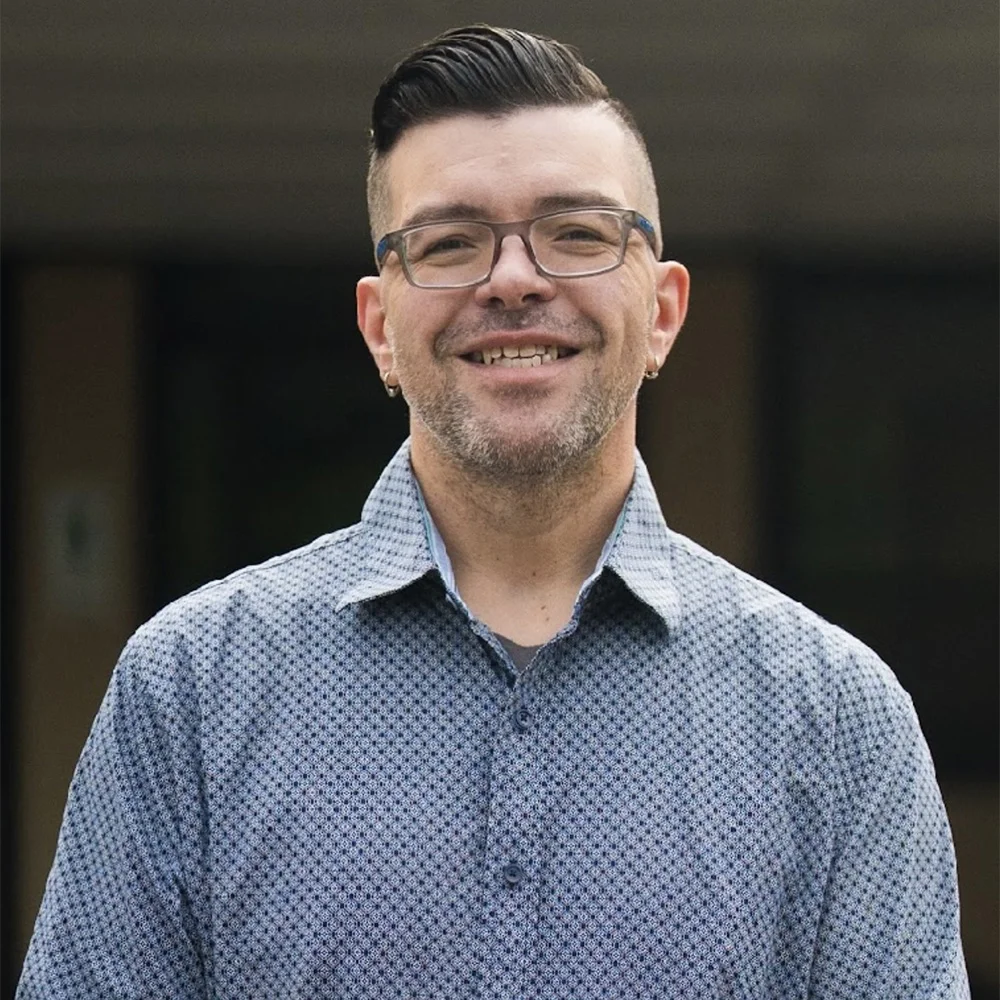
Alvin Luster is a registered nurse and healthcare leader with extensive experience overseeing nursing operations and facility-wide clinical services in behavioral health and addiction treatment settings. Known for his calm, solutions-oriented approach, Alvin brings a strong blend of clinical expertise, operational leadership, and team development to his work.
He has served in senior nursing and executive leadership roles, managing staffing, policy development, onboarding, and performance improvement while ensuring compliance with state, federal, and accreditation requirements. Alvin is highly skilled in interdisciplinary collaboration and is deeply committed to patient safety, staff support, and efficient clinical operations.
With a background that spans nursing leadership, facility operations, and new program implementation, Alvin is passionate about building strong teams and systems that allow quality care to thrive, especially during periods of growth and change.
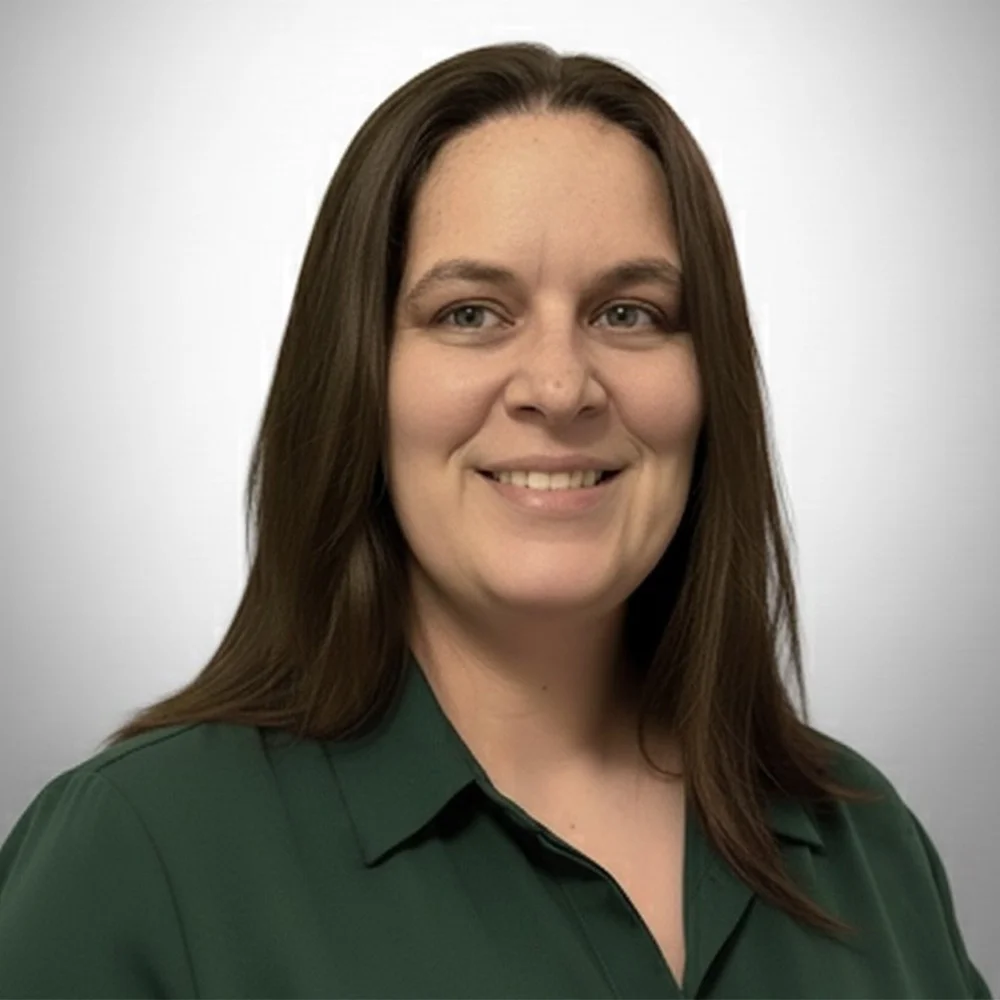
Dana Staker is a licensed mental health counselor with more than a decade of experience in behavioral healthcare, specializing in clinical leadership, program development, and comprehensive oversight across residential and outpatient settings. She has led multidisciplinary teams supporting adolescents, adults, and families, with a strong focus on trauma-informed, evidence-based care.
Throughout her career, Dana has held progressive leadership roles in behavioral health, overseeing clinical operations, staff supervision, budgeting, and quality improvement initiatives. She is well-versed in regulatory compliance and accreditation standards and brings a steady, organized approach to maintaining clinical excellence while supporting team growth.
Dana is particularly skilled in milieu management, family-centered treatment, and building programs that balance structure with compassion. Her leadership style emphasizes collaboration, accountability, and creating environments where both clients and clinicians can do their best work.

Nicole Carter brings 20 years of experience in high-level management and human resources. Over the past seven years, she has focused on serving the addiction population through executive and regional leadership roles. Well-versed in federal and state regulations, quality control, and compliance, Nicole is driven by a passion for creating positive workplaces where both staff and patients can thrive.