We know substance use impacts both the individual and their loved ones, which is why family therapy is a core part of our therapy programs in Indianapolis. Whether you’re seeking care for yourself or a loved one, family therapy offers a structured and compassionate way to begin healing relationships while supporting long-term recovery from substance use.
Understanding family therapy, how it works in addiction treatment, the different models used, and why families who participate in therapy can help you and your loved ones experience stronger outcomes and deeper healing.

Family therapy is a form of counseling that involves two or more family members working with a licensed therapist to improve communication, resolve conflict, and strengthen emotional connections. Unlike individual therapy, which focuses on one person’s thoughts and behaviors, family therapy looks at how people interact within the family system and how those dynamics may be influencing recovery.
At Jasper Grove Recovery, family therapy is always approached with care, cultural humility, and clinical insight. We work with families of all types, including chosen families, guardians, and extended relatives, to create an open, respectful space where healing can begin.
Whether you're navigating the early stages of recovery or trying to rebuild trust after treatment, family therapy can provide the tools and support you need to move forward together.
Several therapeutic models are used in family counseling, each with unique benefits depending on the needs and goals of the family. We tailor our approach to your situation while drawing on proven frameworks.
Here are some common types of family therapy:
This model examines family hierarchies, roles, and boundaries. It clarifies power dynamics, strengthens parental leadership, and restructures unhealthy relationship patterns.
This type of therapy focuses on specific problems within the family system and helps loved ones adopt new behaviors to address them. Therapists may assign tasks or “homework” to shift patterns.
The systemic model is rooted in the idea that all behavior is part of a larger system. It explores beliefs, unspoken rules, and generational influences that may affect the family’s functioning ability.
Encourages families to reframe harmful stories they tell themselves (e.g., “I always mess up” or “they’ll never forgive me”) and replace them with more empowering narratives.
This model includes structured teaching about substance use, family roles in recovery, and coping strategies. It’s often combined with skills training to help families manage stress and effectively support their loved ones.
Each model supports different goals, including learning to set healthy boundaries, practicing forgiveness, or improving daily communication.
In the context of substance use treatment, family therapy plays a critical role in helping both clients and their loved ones understand the recovery process. At Jasper Grove Recovery, family therapy is integrated into care plans whenever appropriate, and always with client consent.
Here’s how family therapy for addiction treatment typically works:
This process helps break cycles of blame, secrecy, or emotional distance that often accompany substance use. It also empowers families to become part of the recovery journey meaningfully and healthily.


The benefits of family therapy for addiction recovery go beyond simply “fixing” conflict. Family participation is often directly linked to more successful treatment outcomes. Here’s why:
Family therapy can also prevent future conflict by strengthening parenting approaches, healing sibling relationships, and creating shared recovery goals.
At Jasper Grove Recovery, we use evidence-based models like cognitive-behavioral therapy (CBT) and dialectical behavior therapy (DBT) to guide individual and family work. These approaches are instrumental in helping families:
CBT is particularly effective in helping family members understand how their perceptions and communication habits may be reinforcing unhealthy patterns. DBT adds a layer of mindfulness and emotion regulation—helpful when the family system has experienced trauma, volatility, or chronic stress.
Our therapists are trained to integrate these approaches seamlessly into family therapy sessions, tailoring interventions to each family’s history, cultural context, and recovery goals.

Family therapy is available at multiple levels of care within Jasper Grove Recovery’s program offerings. Depending on your situation, it may be included in:
Families may be invited to participate in weekly therapy sessions while their loved one is in care.
As clients begin reintegrating into daily life, family therapy helps strengthen routines and address real-world challenges.
Even after formal treatment ends, families can continue working with a therapist to support ongoing recovery.
Family therapy is often paired with individual therapy and group therapy for a more holistic treatment experience.
We also offer referrals and connections to community-based family counseling options for families who may benefit from long-term care beyond our program.
Choosing the right family therapy program can feel overwhelming. Here are a few things to look for when exploring family therapy near you:
Most importantly, you should feel heard, respected, and safe. Therapy is a vulnerable process, and your comfort matters.

If addiction has strained your family, you are not alone, and you are not beyond healing. At Jasper Grove Recovery, our family therapy program is designed to help you reconnect with compassion, rebuild trust, and move forward with strength.
Whether you're a parent, sibling, spouse, or chosen family member, we’re here to walk with you every step of the way. Ready to talk? Contact us today at 317.527.4529 or online to learn how to get started with family therapy.

This site is protected by reCAPTCHA and the Google Privacy Policy and Terms of Service apply.
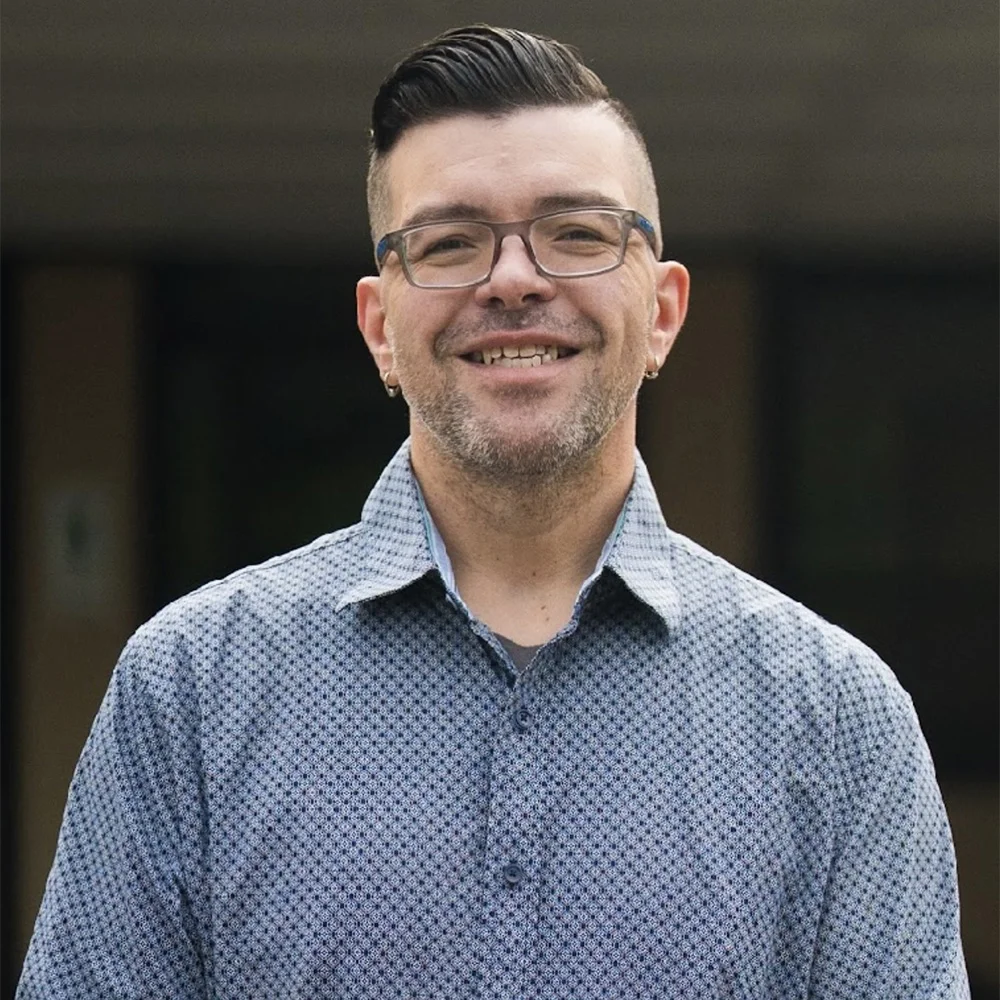
Alvin Luster is a registered nurse and healthcare leader with extensive experience overseeing nursing operations and facility-wide clinical services in behavioral health and addiction treatment settings. Known for his calm, solutions-oriented approach, Alvin brings a strong blend of clinical expertise, operational leadership, and team development to his work.
He has served in senior nursing and executive leadership roles, managing staffing, policy development, onboarding, and performance improvement while ensuring compliance with state, federal, and accreditation requirements. Alvin is highly skilled in interdisciplinary collaboration and is deeply committed to patient safety, staff support, and efficient clinical operations.
With a background that spans nursing leadership, facility operations, and new program implementation, Alvin is passionate about building strong teams and systems that allow quality care to thrive, especially during periods of growth and change.
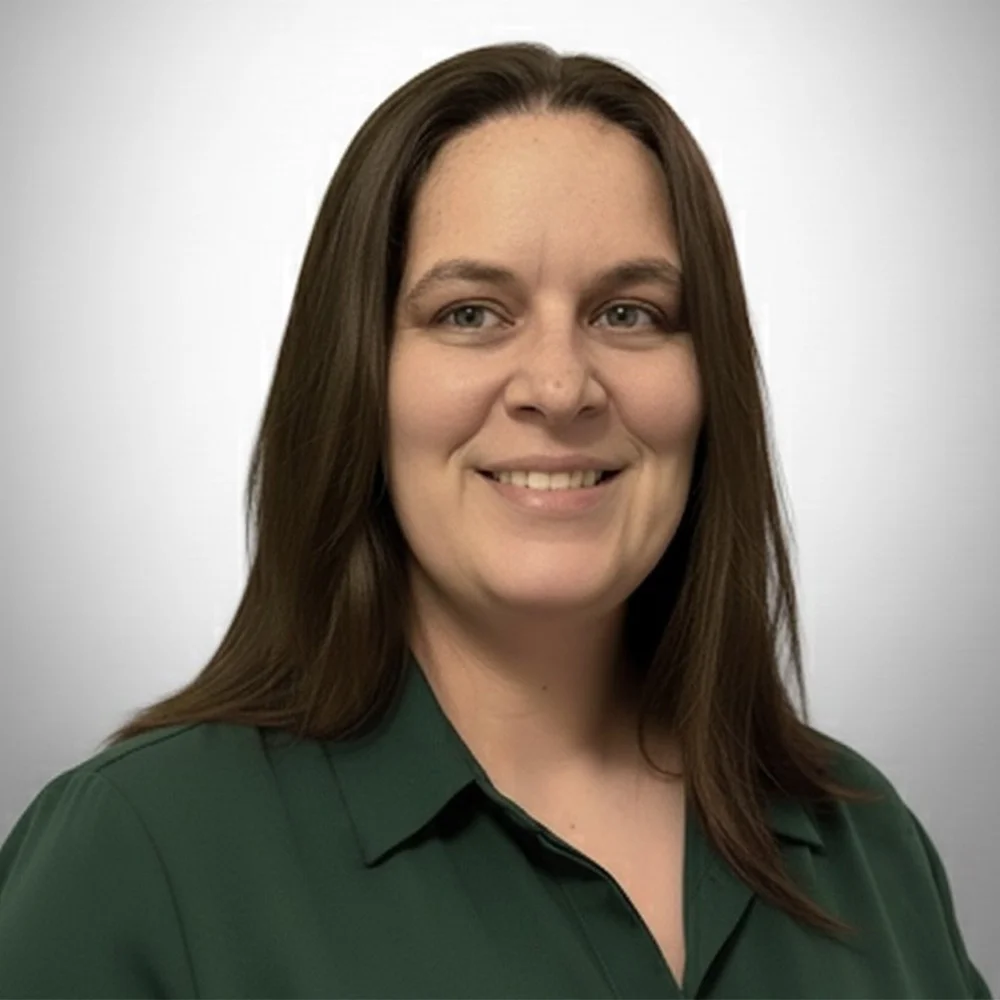
Dana Staker is a licensed mental health counselor with more than a decade of experience in behavioral healthcare, specializing in clinical leadership, program development, and comprehensive oversight across residential and outpatient settings. She has led multidisciplinary teams supporting adolescents, adults, and families, with a strong focus on trauma-informed, evidence-based care.
Throughout her career, Dana has held progressive leadership roles in behavioral health, overseeing clinical operations, staff supervision, budgeting, and quality improvement initiatives. She is well-versed in regulatory compliance and accreditation standards and brings a steady, organized approach to maintaining clinical excellence while supporting team growth.
Dana is particularly skilled in milieu management, family-centered treatment, and building programs that balance structure with compassion. Her leadership style emphasizes collaboration, accountability, and creating environments where both clients and clinicians can do their best work.
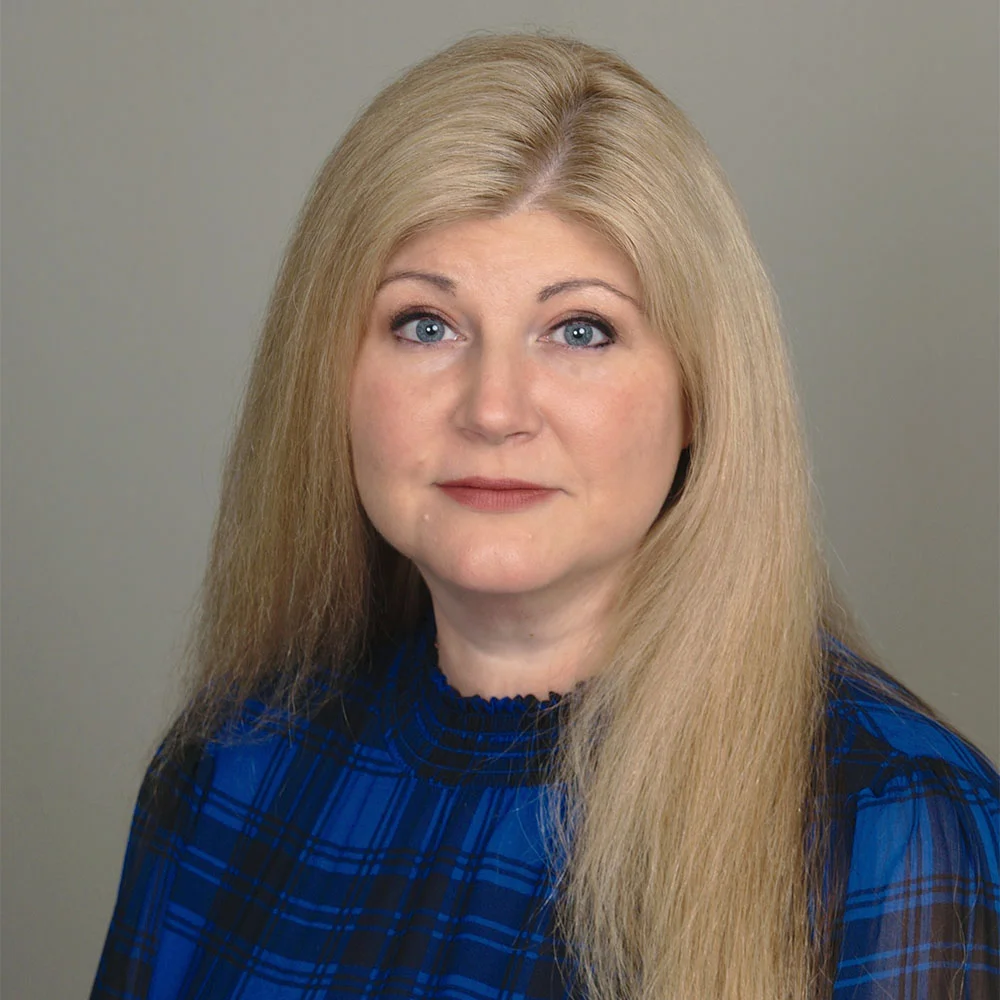
Nicole Carter brings 20 years of experience in high-level management and human resources. Over the past seven years, she has focused on serving the addiction population through executive and regional leadership roles. Well-versed in federal and state regulations, quality control, and compliance, Nicole is driven by a passion for creating positive workplaces where both staff and patients can thrive.